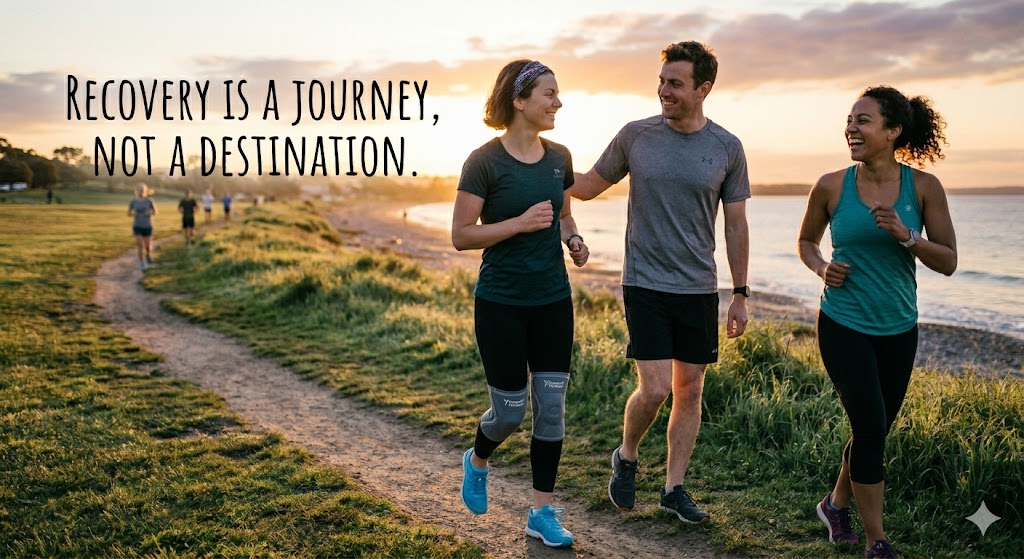
Introduction
When most people think about recovery, they think about exercises, treatment, scans, or medications.
While these can all play an important role, there is another factor that is often overlooked:
Human connection.
At Narrow Gate Physiotherapy, we regularly see that clients who have strong support systems often recover more effectively than those who try to navigate challenges alone.
Whether you’re recovering from an injury, surgery, chronic pain, or a major life setback, community matters.
Recovery is not just physical.
It is emotional, mental, social, and sometimes spiritual as well.
Recovery Can Be Isolating
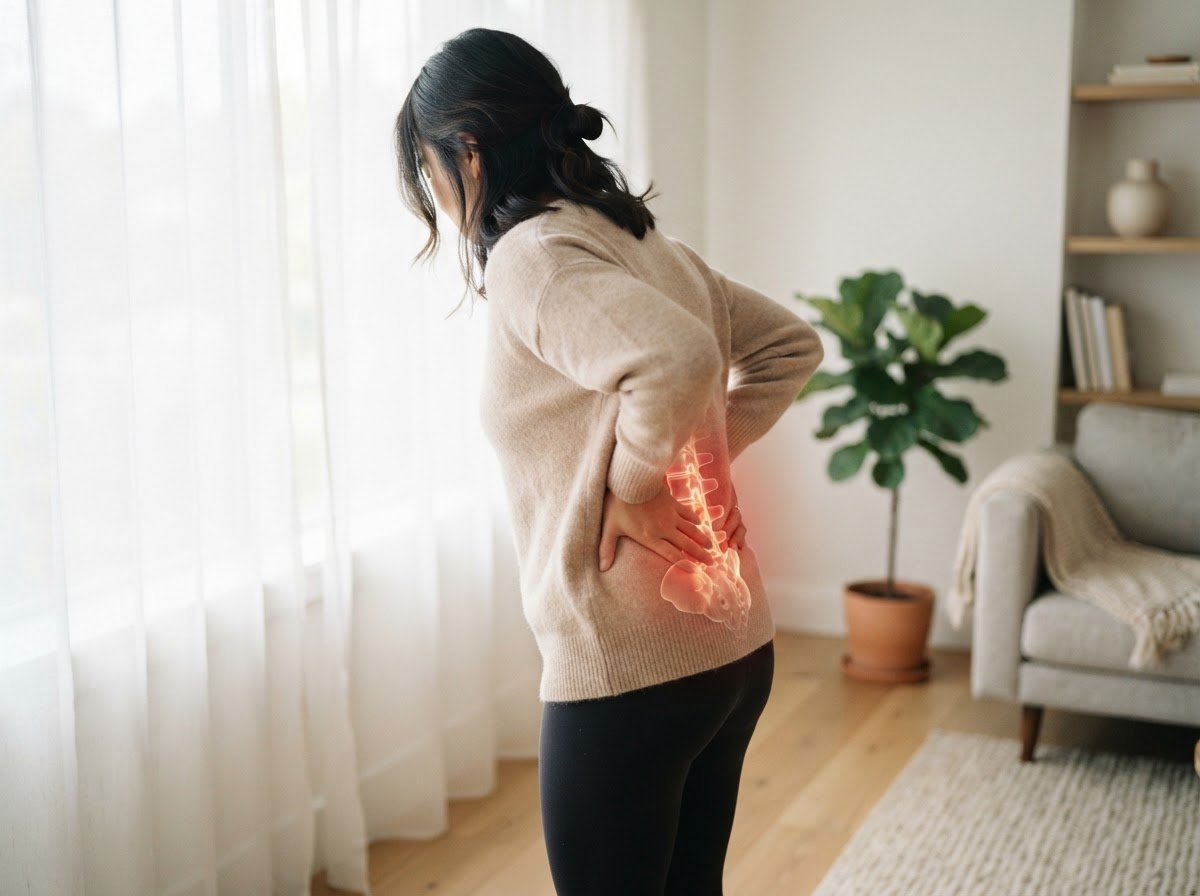
Pain has a way of shrinking people’s worlds.
When someone is injured, they often:
- Stop participating in sport
- Reduce social activities
- Miss work opportunities
- Spend more time alone
- Feel disconnected from their normal routine
Over time, this isolation can become almost as challenging as the injury itself.
Many people begin to think:
- “Nobody understands what I’m going through.”
- “I’m the only one dealing with this.”
- “I just need to push through it myself.”
The reality is that countless people have faced similar challenges and successfully overcome them.
You are rarely as alone as you think.
Why Community Matters
Humans were designed for connection.
Whether through:
- Family
- Friends
- Sporting teams
- Church communities
- Work colleagues
- Support groups
Healthy relationships help us navigate difficult seasons more effectively.
A strong support network can provide:
Encouragement
Recovery often involves ups and downs.
Having people who encourage you when progress feels slow can make a significant difference.
Accountability
Many rehabilitation programs require consistency.
Supportive people can help keep you focused on the actions that lead to recovery.
Perspective
When you’re experiencing pain every day, it can be difficult to see progress.
Others often notice improvements before you do.
Practical Support
Simple things such as transportation, assistance with tasks, or checking in regularly can reduce stress and help you focus on healing.
Recovery Is Not Meant to Be a Solo Journey
One of the most common patterns we see is people trying to “tough it out.”
While resilience is important, isolation rarely leads to better outcomes.
In fact, many successful recoveries involve a team of people, including:
- Healthcare professionals
- Family members
- Training partners
- Friends
- Mentors
The strongest individuals are often those who know when to ask for help.
The Link Between Mental Health and Physical Recovery
The body and mind are closely connected.
When people feel:
- Supported
- Encouraged
- Connected
They are often more motivated to:
- Stay active
- Follow exercise programs
- Attend appointments
- Maintain healthy habits
On the other hand, prolonged isolation can contribute to:
- Reduced motivation
- Increased stress
- Poor sleep
- Lower activity levels
These factors can slow recovery and make pain feel more overwhelming.
Learning From Others Who Have Been There
One of the most powerful aspects of community is realizing that others have faced similar challenges.
Whether it’s:
- Recovering from surgery
- Managing chronic pain
- Returning to sport
- Overcoming injury setbacks
Hearing someone else’s story can provide hope.
Their experience reminds us that setbacks are often temporary and that recovery is possible.
The Importance of Purpose During Recovery
Many people define themselves by what they do.
When injury takes away:
- Sport
- Work
- Physical activity
It can leave a sense of loss.
Community helps maintain perspective.
It reminds us that our value is not determined solely by our performance or productivity.
Staying connected to meaningful relationships and activities can provide a sense of purpose throughout the rehabilitation journey.
A Biblical Perspective on Community
Throughout Scripture, we see the importance of relationships and supporting one another.
People were not designed to carry burdens alone.
The principle of encouraging, serving, and strengthening one another appears repeatedly throughout the Bible.
Recovery often becomes easier when we allow others to:
- Encourage us
- Pray for us
- Support us
- Walk alongside us
Strength is not found in isolation.
It is often found in healthy community.
How We Encourage Community at Narrow Gate Physiotherapy
At Narrow Gate Physiotherapy, we view rehabilitation as more than simply treating an injury.
We aim to help clients:
- Stay engaged in meaningful activities
- Maintain social connections
- Continue participating in their communities where possible
- Build confidence throughout recovery
We often encourage clients to remain involved with:
- Sporting clubs
- Church groups
- Family activities
- Exercise communities
Even if participation needs to be modified temporarily.
Staying connected helps maintain momentum and perspective.
Key Takeaways
- Recovery is not just physical.
- Social connection plays an important role in healing.
- Community provides encouragement, accountability, and perspective.
- Isolation can make recovery more difficult.
- Strong support networks often lead to better long-term outcomes.
- You do not need to face recovery alone.
Conclusion
One of the greatest misconceptions about recovery is that it is an individual journey.
While personal responsibility is important, healing often happens best within a supportive community.
Whether through family, friends, church, teammates, or healthcare professionals, surrounding yourself with the right people can make the recovery process more manageable and more meaningful.
At Narrow Gate Physiotherapy, we believe that successful rehabilitation is about more than reducing pain.
It’s about helping people reconnect with the activities, relationships, and communities that give life meaning.
Because recovery is not simply about getting back to where you were.
It’s about moving forward with greater strength, resilience, and support than before.
You can make a booking online or call us on 0478 260 200. For a limited time, we have free discovery sessions where you get assessed by our physiotherapists and given an outline of how we can help you to have full confidence in working with us. We also offer promotions that include discounted initial sessions to incentivise getting started with your rehabilitation journey.