When you are in pain, the first thing you want is relief. You want to sleep comfortably, move without hesitation, get through your workday and return to the activities you enjoy.
And understandably, when a treatment reduces your pain, it can feel like the problem has been solved.
But there is an important distinction between feeling better and rebuilding the capacity that helps you stay better.
Pain relief can be an important part of recovery. However, depending on your condition, reducing symptoms may not be enough to restore strength, improve physical capacity or prepare your body for the demands that contributed to the problem in the first place.
At Narrow Gate Physiotherapy in Belmore, NSW, we believe effective physiotherapy should look beyond temporary symptom relief. Our goal is to help you understand your condition, recover meaningful function and develop the skills to manage your physical health over the long term.
1. What Is the Difference Between Pain Relief and Recovery?
Pain relief and recovery are related, but they are not the same thing.
Pain relief focuses on reducing discomfort and helping you move or function more comfortably.
Recovery involves restoring the abilities you need for everyday life, work, exercise or sport. Depending on the injury, this may include improving strength, mobility, endurance, coordination and tolerance for physical activity.
Consider someone who experiences lower back pain after repeatedly lifting heavy objects at work.
A treatment session may help reduce their pain, allowing them to bend and move more comfortably. That is a positive outcome.
However, if they still struggle to tolerate repeated lifting throughout an eight-hour workday, their functional recovery may be incomplete.
They may need a plan that progressively rebuilds their lifting capacity, improves relevant strength and endurance, and helps them manage their workload.
The distinction is not that pain relief is unimportant. It is that relief can be one step towards recovery rather than the final destination.
2. Why Feeling Better Does Not Always Mean the Problem Is Fully Resolved
Pain is influenced by several factors, including tissue injury, sensitivity of the nervous system, previous experiences, sleep, stress and the demands placed on the body.
Because pain is complex, the relationship between symptoms and physical capacity is not always straightforward.
You may feel better before your strength or endurance has fully recovered. Equally, you may still experience some discomfort while gradually improving your ability to perform daily activities.
Here are three examples.
Example 1: Lower back pain
Imagine your back pain improves after a few physiotherapy sessions.
You can now sit more comfortably, bend with less hesitation and complete your usual household tasks.
However, your job involves frequent lifting, carrying and bending. You have not yet rebuilt the tolerance needed to perform these tasks repeatedly throughout the day.
Your symptoms have improved, but you may still benefit from progressive rehabilitation that prepares you for your actual work demands.
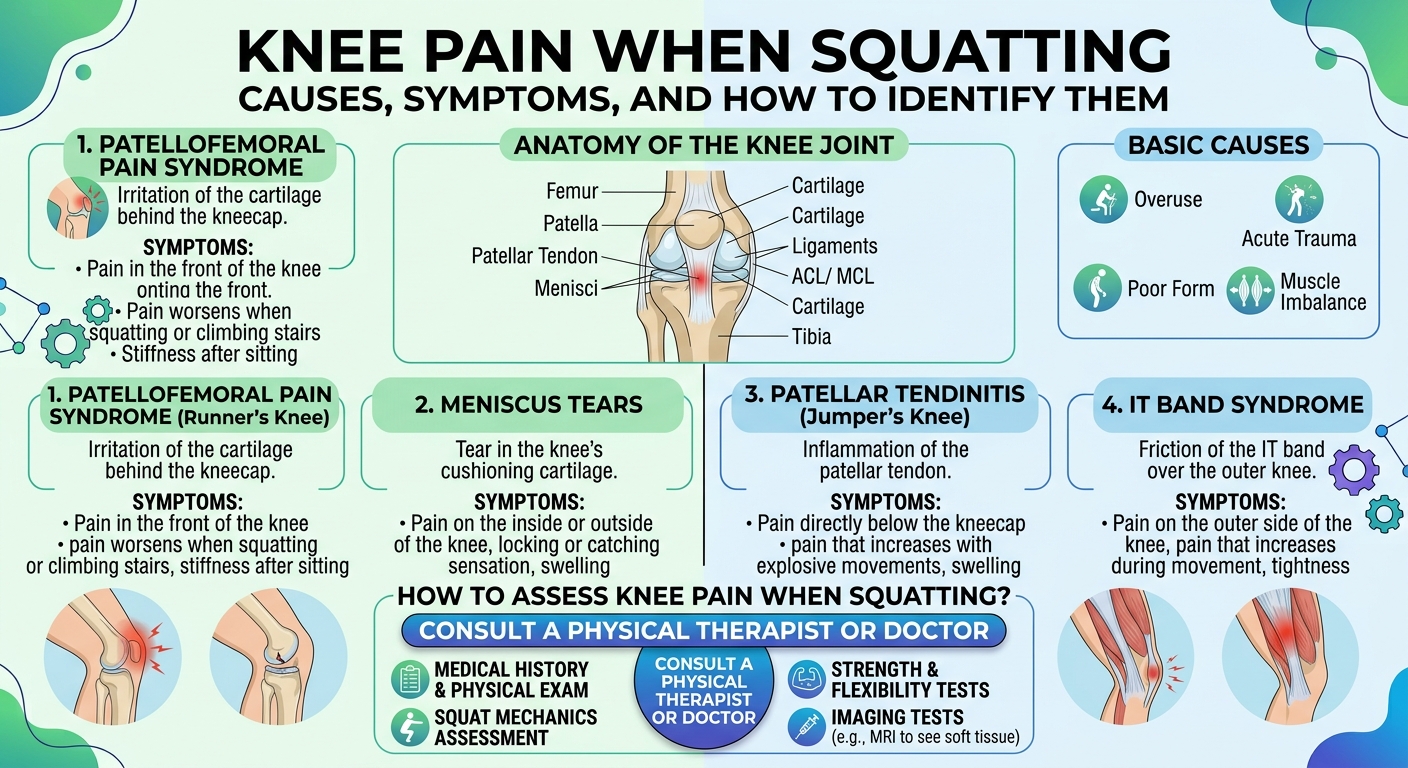
Example 2: Knee pain
A person develops knee pain while running.
After modifying their training and receiving appropriate treatment, walking and climbing stairs become more comfortable.
However, running places different demands on the knee. Returning immediately to the previous distance, speed and frequency may exceed the person’s current capacity.
Their next step may involve progressively rebuilding strength and running tolerance rather than simply waiting for every symptom to disappear.
Example 3: Shoulder pain
Someone experiences shoulder pain when lifting weights overhead.
After treatment, their shoulder feels less painful during everyday activities.
But they still struggle with heavier overhead presses or repeated lifting at work.
They may need a structured strengthening programme that gradually prepares the shoulder for these demands.
In each example, symptom improvement is encouraging. The next question is whether the person has regained the function and capacity needed for their goals.
3. Is Pain Relief a Bad Thing?
Absolutely not.
Pain relief can be valuable because pain affects more than the body part that hurts. It can interfere with sleep, concentration, exercise, work and confidence in movement.
Depending on the condition, appropriate pain management may help you:
- Move more comfortably.
- Sleep and participate in daily activities.
- Begin or continue rehabilitation exercises.
- Reduce fear or hesitation around certain movements.
- Gradually return to activities that matter to you.
Physiotherapy may use education, exercise, activity modification and, when appropriate, hands-on techniques to help manage symptoms.
Other forms of pain management may also be appropriate, depending on the diagnosis and your individual needs.
The important consideration is whether the treatment forms part of a suitable overall plan.
For many musculoskeletal conditions, passive treatments such as massage or manual therapy may provide short-term relief, but they do not automatically restore the strength or endurance needed for demanding activities.
That is why symptom management is often most useful when combined with an appropriate plan for restoring function.
4. Why Does Pain Sometimes Keep Coming Back?
Recurring pain can be frustrating, particularly when you have already paid for treatment and experienced relief.
However, pain returning does not necessarily mean the previous treatment was useless or that your body has been damaged again.
There may be several explanations.
Your activity levels increased too quickly
Your symptoms may have settled, but your body may not yet be ready for your previous workload.
For example, returning to full training immediately after a period of reduced activity may exceed your current capacity.
Your physical capacity has not fully recovered
Depending on the injury, you may still need to rebuild strength, endurance, coordination or tolerance for repeated movement.
Your daily demands remain unchanged
If your work or lifestyle continues to place substantial demands on the affected area, those demands may need to be considered as part of your rehabilitation.
This does not necessarily mean your posture or technique is wrong. The relevant issue may be the amount, frequency or intensity of the activity relative to your current capacity.
The original explanation needs to be reviewed
Sometimes the diagnosis or understanding of the problem needs to be reconsidered, particularly when symptoms persist, worsen or do not respond as expected.
Recurring pain should not automatically be attributed to weakness, poor movement or incomplete rehabilitation. A reassessment can help identify the most appropriate next step.
5. What Does It Mean to Actually Address the Problem?
The phrase “fixing the problem” can be misleading if it suggests that every injury has one simple cause or that every condition can be permanently cured.
Some injuries heal completely. Others require ongoing management, and some conditions can produce symptoms that fluctuate over time.
A more useful goal is to identify the relevant contributors to your symptoms and improve your ability to function.
Depending on your assessment, this may involve several components.
Understanding your symptoms
A thorough history and appropriate physical assessment help your physiotherapist understand when the pain occurs, what activities affect it and whether further medical investigation is needed.
Restoring relevant strength and capacity
Exercise can help rebuild the physical abilities required for your daily activities, work or sport.
The programme should match your current condition and progress as your tolerance improves.
Managing workload
Your body needs an appropriate balance between physical demands and recovery.
This may involve modifying training volume, adjusting work tasks temporarily or gradually increasing the amount of activity you perform.
Improving confidence in movement
Pain can sometimes lead people to avoid movements they previously performed comfortably.
When appropriate, gradual and supported exposure to these movements can help rebuild confidence and function.
Developing self-management skills
You should understand how to follow your plan, recognise meaningful changes in symptoms, adjust activity when necessary and know when to seek further advice.
The objective is not to find something wrong with every part of your body. It is to identify what matters in your situation and address it purposefully.
6. How Do You Know Whether Physiotherapy Is Actually Working?
Pain reduction is one useful measure, but it is not the only one.
A good rehabilitation plan should have clear goals and a way to review progress.
Depending on your condition, improvements may include:
Less pain: Your symptoms become less intense, less frequent or easier to manage.
Better movement: You can bend, reach, walk or perform relevant movements more comfortably.
Greater strength: You can perform tasks that were previously difficult.
Improved endurance: You can tolerate longer periods of work, exercise or everyday activity.
Better confidence: You feel more comfortable returning to activities you have been avoiding.
Greater independence: You understand your condition and can manage your rehabilitation with less supervision.
For example, an office worker may measure progress by completing a workday with fewer interruptions from back pain. A basketball player may focus on jumping, landing and changing direction. A tradesperson may aim to resume lifting and carrying safely and consistently.
The most meaningful outcomes are those that relate to your life, not just the number on a pain scale.
Progress may fluctuate, and not every measure improves at the same rate. Your physiotherapist should help you interpret those changes in the context of your condition.
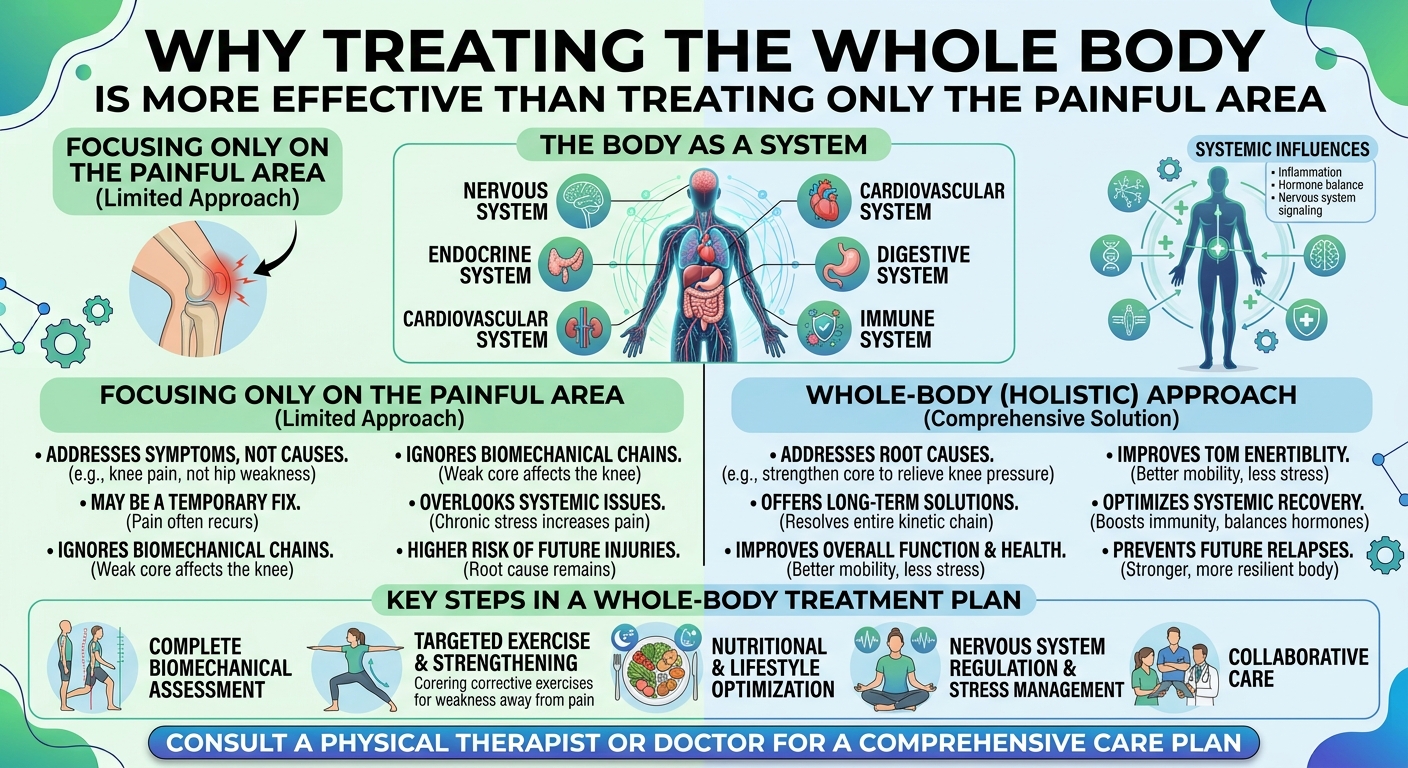
7. Why Assessment Matters More Than Simply Treating the Painful Area
Two people with pain in the same body part may need very different treatment plans.
For example, knee pain in one person may be associated with a recent increase in running. In another, it may involve osteoarthritis, a traumatic injury or a different condition requiring medical assessment.
Treating both people with the same exercises or treatment techniques without understanding their presentation may not be appropriate.
At Narrow Gate Physiotherapy, we consider:
- Subjective History (SHx): Your symptoms, health history, work demands, lifestyle and goals.
- Objective Assessment (OHx): Relevant movement, strength, mobility and functional findings.
- Rehabilitation and Prescription (Rx): An individualised plan based on your needs.
- Re-Assessment (Re-Ax): Reviewing your response and adjusting the plan.
- Follow-Up (F/U): Supporting progression towards your goals and greater independence.
This process helps us determine whether the priority is symptom management, restoring function, adjusting physical demands, investigating a concern or combining several approaches.
Sometimes the painful area needs most of the attention. At other times, broader factors are important. The assessment helps guide that decision.
8. How Many Physiotherapy Sessions Do You Need to Get Better?
There is no universal number of appointments that guarantees recovery.
Some people need only a few sessions to understand their condition, begin an appropriate programme and learn how to manage their symptoms.
Others may require several weeks or months of guided rehabilitation, particularly after significant injuries, surgery or prolonged periods of reduced function.
The number of sessions depends on factors such as:
- The type and severity of your condition.
- How long you have experienced symptoms.
- Your current strength and physical capacity.
- The demands of your work, sport and lifestyle.
- Your progress and response to the rehabilitation plan.
- Whether additional medical care is required.
More appointments do not automatically mean better results. Equally, reducing appointments too quickly may not be appropriate if you need supervision or assistance progressing your rehabilitation.
The aim should be to make each session purposeful, review progress regularly and provide the level of support that matches your needs.
9. The Narrow Gate Physiotherapy Approach: Get You Better, Keep You Better, Help You Stay Better
At Narrow Gate Physiotherapy in Belmore, NSW, we believe good physiotherapy should do more than provide temporary comfort when a condition requires broader rehabilitation.
Our approach has three priorities.
Get you better
We start by understanding your symptoms, assessing your needs and identifying a suitable plan. Symptom relief matters, especially when pain is interfering with your everyday life.
Keep you better
As your symptoms improve, we work towards rebuilding the strength, movement, endurance and activity tolerance relevant to your goals.
This may include preparing you for the demands of your job, sport, exercise routine or daily responsibilities.
Help you stay better
We want you to leave with a better understanding of your condition and practical skills to manage your physical health.
This includes learning how to progress activity, respond to manageable flare-ups and recognise when further assessment may be needed.
We do not believe everyone needs indefinite appointments. We believe the right care should have a clear purpose and help you work towards greater independence.
For busy professionals, athletes, tradespeople and anyone who wants to remain active, this means focusing on practical outcomes that make a difference to everyday life.
Frequently Asked Questions
Can pain relief hide a serious injury?
Pain relief does not necessarily hide an injury, but a reduction in pain alone cannot confirm that an injury has healed or rule out a serious condition. New or concerning symptoms should be assessed appropriately. Seek urgent medical care for serious warning signs, including new loss of bladder or bowel control, numbness around the groin or saddle area, or rapidly worsening weakness with back pain.
If my pain is gone, do I still need physiotherapy?
Not always. If your function has returned and you can safely manage your usual activities, you may not need further appointments. However, some injuries require a gradual return to demanding activities even after pain has settled. Your next step should depend on your diagnosis, function and goals.
Is massage enough to fix an injury?
Massage may help some people manage pain or muscle tension. However, depending on the condition, it may not be sufficient to restore strength, endurance or tolerance for work and sport. Your treatment plan should reflect the actual problem and the outcomes you need.
Why does my pain return after treatment?
Symptoms may return because activity demands have increased, your capacity is still developing, the condition naturally fluctuates or the original explanation needs review. A reassessment can help determine what is happening rather than assuming one cause.
Does fixing the problem mean I will never have pain again?
No treatment can guarantee that pain will never return. The goal is to improve function, address relevant contributing factors and give you the tools to manage your physical health. Some conditions require ongoing management even when people function well.
Final Thoughts
Pain relief matters. It can help you move, sleep, work and begin the process of recovery.
But depending on your condition, feeling better may be only one part of the journey.
Lasting progress often involves understanding your symptoms, restoring the physical capacity you need, managing activity demands and learning how to respond when symptoms change.
The real question is not simply whether your pain has disappeared after treatment. It is whether you are moving towards the activities, confidence and independence that matter to you.