When you experience pain, your first instinct is usually to focus on the area that hurts. If your knee hurts, you want your knee treated. If your back aches, you want someone to work on your back. And if your shoulder is painful, you naturally expect the treatment to focus on your shoulder.
That makes sense. However, the area where you feel pain is not always the only area contributing to the problem.
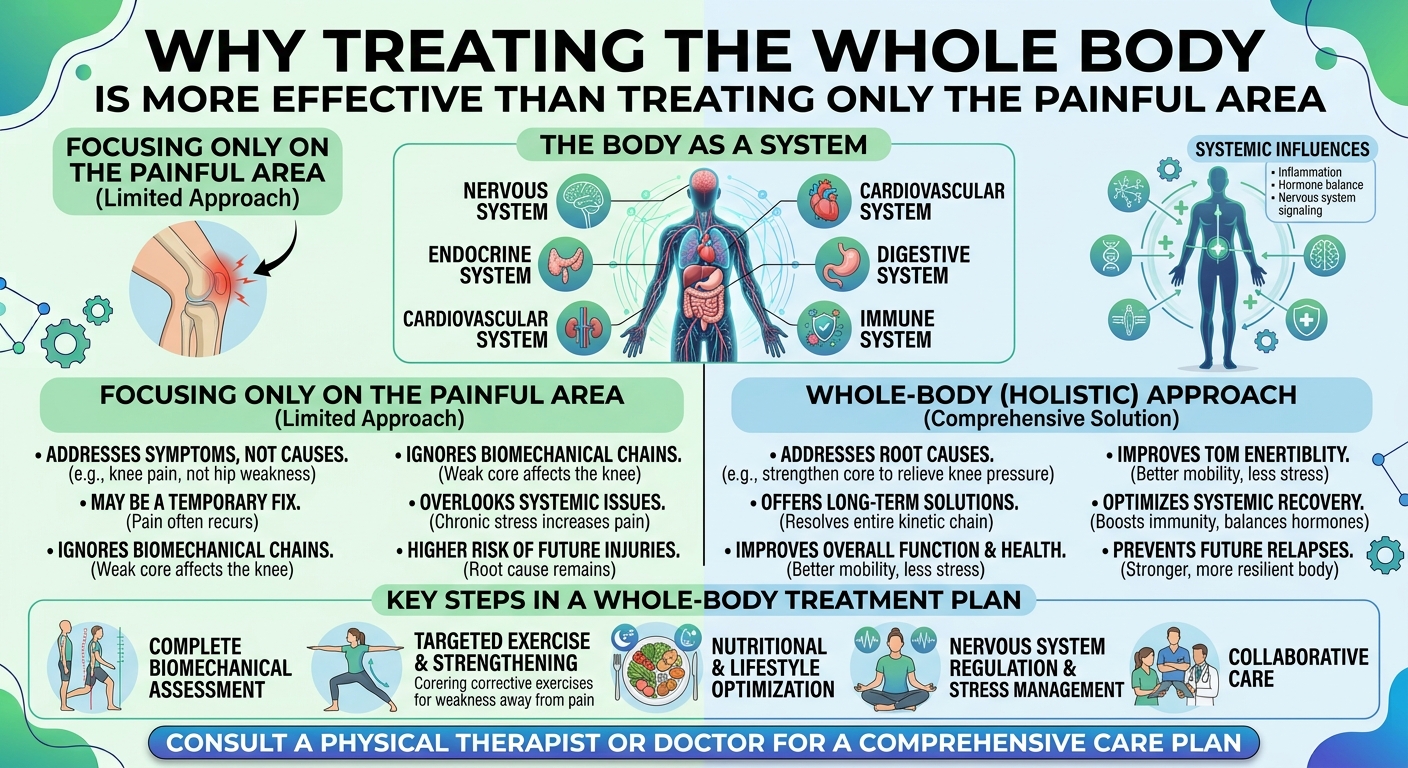
Your body works as an interconnected system. The way you move, your strength, your mobility, your workload, your recovery and even your daily habits can influence how symptoms develop and persist.
At Narrow Gate Physiotherapy in Belmore, NSW, we look beyond the painful area to understand the bigger picture. The aim is not simply to reduce discomfort today, but to help you move better, build capacity and reduce the likelihood of the same problem returning.
1. Pain Does Not Always Tell the Whole Story
Pain is important. It tells you that something needs attention, but it does not always identify the exact cause of the problem.
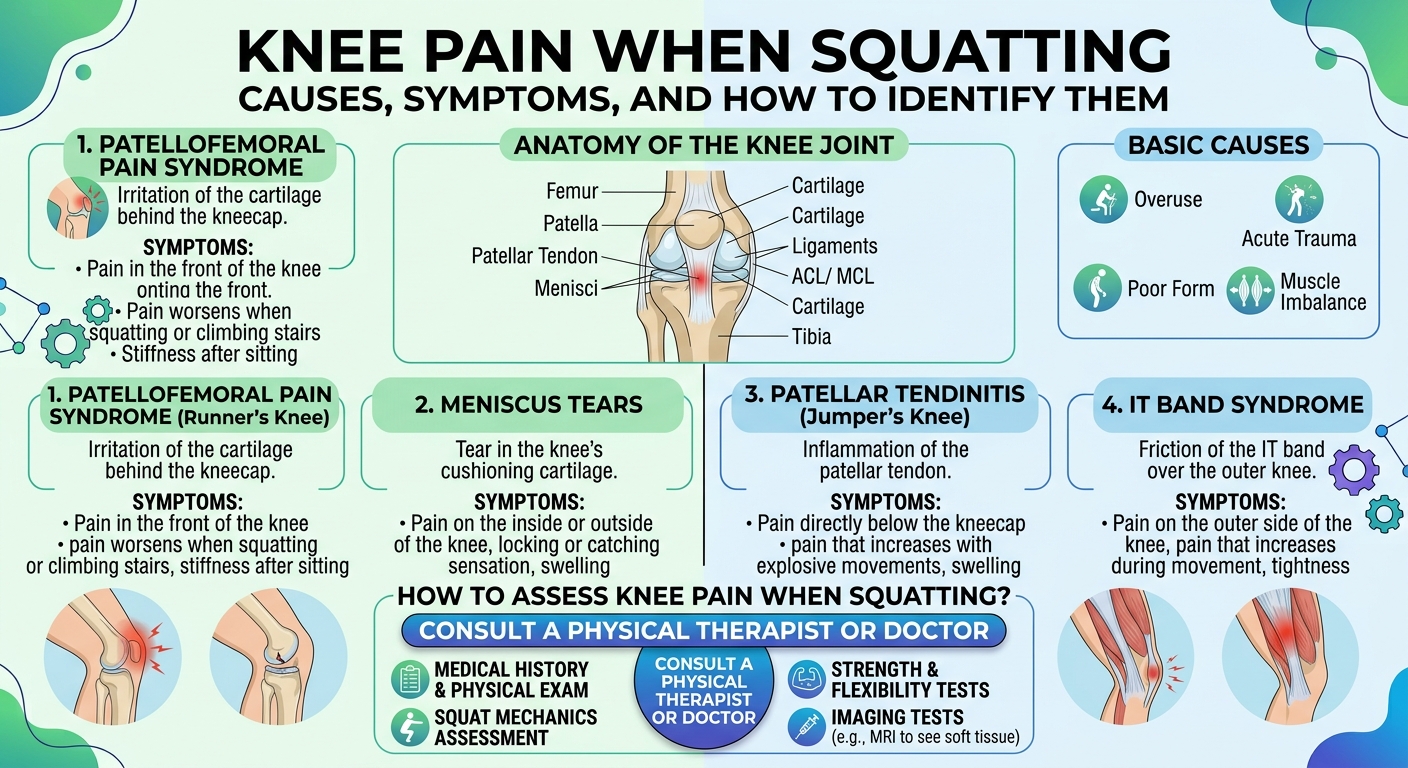
For example, someone experiencing knee pain may also have reduced hip strength, limited ankle mobility or difficulty controlling their movement during a squat. These factors may influence how much stress the knee experiences during activity.
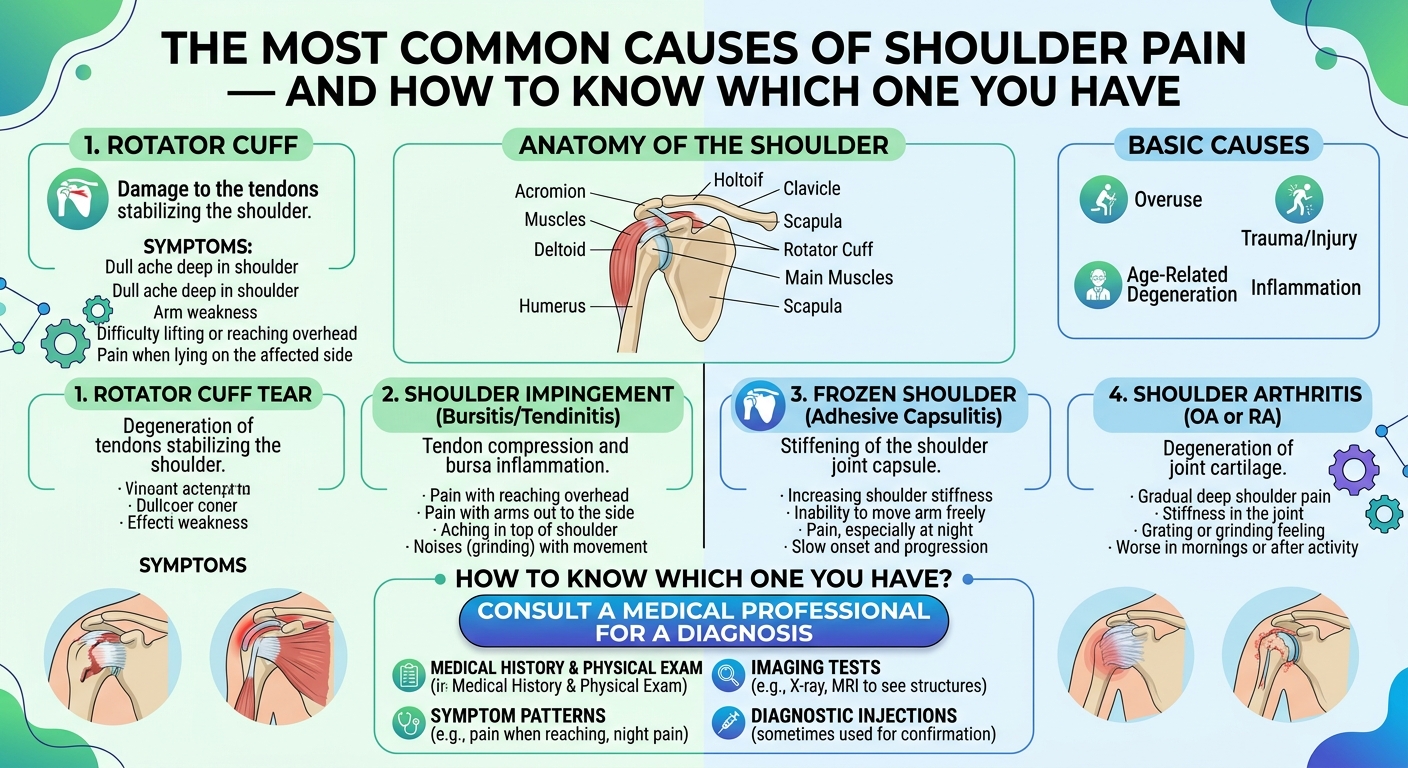
Similarly, shoulder pain may be affected by reduced upper-back mobility, changes in shoulder strength or the demands placed on the arm throughout the day.
This does not mean the painful area is unimportant. It means that an effective assessment should consider both the symptoms and the factors that may be contributing to them.
Treating the painful area can be helpful, but understanding why it hurts may help guide a more complete rehabilitation plan.
2. Your Body Works as an Interconnected System
Your muscles, joints, nerves and movement patterns work together to help you perform everyday activities.
When one part of the body has reduced mobility, strength or tolerance, other areas may need to adapt. Sometimes these adaptations are useful. At other times, they may contribute to symptoms or make certain activities more difficult.
Consider a few examples.
Knee pain and hip or ankle function
During walking, running, stair climbing and squatting, the knee works alongside the hip and ankle. Restrictions in movement, reduced strength or poor tolerance of activity elsewhere in the lower limb may influence how the knee is loaded.
A physiotherapist may therefore assess the knee alongside hip strength, ankle mobility, balance and the movements that aggravate your symptoms.
Lower back pain and hip movement
Your lower back and hips work together during lifting, bending, walking and standing.
If your hips have limited movement or your body has not developed sufficient capacity for repeated lifting, your lower back may be exposed to demands that currently exceed what it can comfortably tolerate.
However, hip stiffness is not automatically the cause of back pain. The assessment needs to establish whether it is relevant to your individual presentation.
Shoulder pain and upper-body function
The shoulder relies on coordinated movement of the shoulder blade, upper arm and surrounding muscles. The upper back and neck may also be relevant, depending on the symptoms.
Assessing these areas can help identify whether strength, movement, nerve-related symptoms or activity demands should influence the rehabilitation plan.
The key principle is simple: look at how the body works together rather than automatically assuming that one painful structure explains everything.
3. Treating Only the Symptoms May Miss Important Contributors
Pain relief can be valuable, particularly when symptoms interfere with sleep, work, exercise or everyday activities.
Hands-on therapy, movement modifications and other appropriate treatments may help some people manage their symptoms. But symptom relief alone does not necessarily restore strength, endurance, coordination or tolerance for demanding activities.
Imagine an office worker whose lower back feels better after treatment but becomes painful again after several hours of sitting.
If the rehabilitation plan only focuses on temporary relief, important factors may remain unaddressed, such as:
- Long periods in one position without movement breaks.
- Reduced tolerance for sustained sitting or repeated bending.
- Insufficient strength or endurance for work and recreational demands.
- A sudden increase in exercise or workload.
- Limited recovery time between demanding activities.
The solution is not necessarily to strengthen everything or correct every aspect of posture. Instead, it is to identify which factors actually matter and address them appropriately.
At Narrow Gate Physiotherapy, symptom management is considered alongside the broader goal of helping you return to the activities that matter to you.
4. Whole-Body Assessment Helps Build a More Individualised Plan
Two people can experience pain in the same area but need different rehabilitation strategies.
For example, two people with knee pain may have very different goals. One may want to walk comfortably around the shops, while the other wants to return to competitive basketball.
Their assessments and rehabilitation plans should reflect these differences.
A comprehensive physiotherapy assessment may consider:
Your symptoms: When did the pain begin? What makes it better or worse? How does it affect your daily life?
Your movement: Which movements reproduce symptoms? Are there relevant changes in mobility, coordination or movement control?
Your strength and capacity: Can the affected area tolerate the demands of your work, sport or everyday activities?
Your health and injury history: Have you experienced similar symptoms before? Are there previous injuries or other health factors that need consideration?
Your lifestyle and workload: How much sitting, lifting, training or repetitive activity do you perform? Are your current demands greater than your recovery and physical capacity can support?
Your goals: What do you need to get back to doing, and what level of function are you working towards?
Not every assessment needs to examine every body region. The goal is to assess the areas and factors that are relevant to your symptoms, safety and goals.
5. Whole-Body Treatment Is More Than Treating Every Body Part
There is an important distinction between looking at the whole body and treating every part of it.
A whole-body approach does not mean you need treatment for your neck, back, hips, knees, shoulders and ankles simply because one area hurts.
In fact, adding unnecessary exercises or treatments can make rehabilitation more complicated than it needs to be.
A good physiotherapy plan should be targeted, evidence-informed and proportionate to your needs.
Depending on your assessment, your plan may include:
- Specific exercises for the painful area.
- Strengthening of nearby muscles when relevant.
- Mobility exercises where restricted movement affects function.
- Balance, coordination or movement-control training.
- Gradual exposure to activities that currently aggravate symptoms.
- Changes to training load, work demands or recovery habits.
- Education about pain and how to manage flare-ups.
For some people, local treatment and targeted exercises may be sufficient. For others, addressing contributing factors elsewhere in the body may be an important part of recovery.
The treatment should follow the findings of your assessment, not a fixed formula.
6. Why Load Management Matters
One of the most overlooked parts of rehabilitation is the amount of work your body is being asked to do.
Even when your movement and strength are generally good, symptoms may develop if your workload increases faster than your body can adapt.
For example, a runner may develop knee pain after suddenly increasing running distance. A tradesperson may experience back pain during a period of repeated heavy lifting. Someone returning to the gym after a long break may develop shoulder pain after resuming their previous training volume.
In these situations, the answer is not always to find another body part to treat. The total demand placed on the body may be a major factor.
A physiotherapist can help you review:
- The intensity, frequency and duration of your activities.
- Recent increases in work, training or physical demands.
- Whether your current strength and endurance match those demands.
- How much recovery time you have between sessions.
- How to progress activity without unnecessarily aggravating symptoms.
The aim is to find a manageable starting point and gradually build your capacity.
This approach helps you understand not only what to do when pain appears, but also how to manage your activities as your body adapts.
7. Whole-Body Physiotherapy Supports Long-Term Results
Reducing pain is an important outcome, but it is not the only measure of recovery.
You may also want to lift confidently, return to sport, complete a full working day, exercise consistently or manage everyday tasks without constantly worrying about your symptoms.
These goals often require more than short-term symptom relief.
A well-planned rehabilitation programme may help you develop:
Strength: Improving your ability to perform the tasks that matter to you.
Mobility: Addressing relevant movement restrictions that affect your function.
Endurance: Building the capacity to sustain work, sport or everyday activity.
Confidence: Gradually returning to movements or activities you have been avoiding.
Self-management skills: Learning how to adjust your workload, respond to flare-ups and recognise when further assessment is needed.
Long-term progress does not require a perfect body or flawless movement. It requires an appropriate plan that matches your current abilities, addresses relevant contributing factors and progresses as your capacity improves.
8. The Narrow Gate Physiotherapy Approach: Get You Better, Keep You Better, Help You Stay Better
At Narrow Gate Physiotherapy, we believe effective care begins with understanding the person, not just the painful body part.
Our approach is built around three priorities.
Get you better
We begin by understanding your symptoms, assessing your function and identifying an appropriate starting point. Treatment is tailored to your needs, with symptom management and meaningful functional progress as priorities.
Keep you better
As symptoms improve, we work towards restoring the strength, mobility, endurance and activity tolerance relevant to your goals. Where appropriate, we also address factors that may contribute to recurring symptoms.
Help you stay better
We want you to understand your body and feel more confident managing your physical health. This includes learning how to progress activity, recognise changes in symptoms, manage workload and know when professional advice is needed.
Our goal is not to keep you dependent on regular treatment indefinitely. It is to provide the guidance, rehabilitation and education that help you move towards greater independence.
Whether you are an office worker, an athlete, a tradesperson, a busy professional or someone simply wanting to move with less discomfort, your rehabilitation should reflect your circumstances and priorities.
9. When Should You Seek Physiotherapy?
Consider an assessment if pain is recurring, affecting your daily activities, limiting your exercise or making it difficult to perform your usual work.
A physiotherapist can help assess your symptoms, determine which movement and capacity factors are relevant, and advise whether physiotherapy is appropriate or whether you need further medical assessment.
Seek urgent medical attention for serious or rapidly worsening symptoms. For example, new loss of bladder or bowel control, numbness around the groin or saddle area, or rapidly progressing leg weakness with back pain requires urgent assessment. Significant trauma, a hot swollen joint with fever, or symptoms such as chest pain or difficulty breathing also warrant prompt medical care, depending on the presentation.
Not every pain problem requires a whole-body assessment or an extensive rehabilitation programme. The important thing is to identify what is driving your particular difficulty and choose the right next step.
Frequently Asked Questions
Does whole-body physiotherapy mean treating areas that do not hurt?
No. It means considering whether other parts of the body or broader factors are relevant to your symptoms. Treatment should focus on what the assessment identifies as useful, rather than treating every area unnecessarily.
Can pain in one area be caused by another part of the body?
Sometimes. For example, pain felt in the arm or shoulder can occasionally be referred from the neck. Movement and strength in neighbouring regions can also influence function. However, pain does not automatically mean another body part is responsible, so a proper assessment is important.
Is massage or hands-on treatment still useful?
It can be. Hands-on treatment may help some people manage pain or move more comfortably. Depending on the problem, it may work best alongside exercise, education and gradual increases in activity rather than as the only treatment.
How many physiotherapy sessions will I need?
This depends on your condition, its severity and duration, your goals, your response to treatment and the demands you need to return to. Some people need only a small number of sessions and a clear self-management plan, while others benefit from a longer rehabilitation process.
Can physiotherapy prevent pain from coming back?
No approach can guarantee that pain will never return. However, improving relevant strength and capacity, managing activity levels and learning how to respond to symptoms may help reduce the risk of recurrence or make future flare-ups easier to manage.
Final Thoughts
When pain develops, focusing on the painful area is a natural starting point. But sometimes, understanding the bigger picture can reveal important opportunities to improve your recovery.
Your symptoms, movement, strength, workload, recovery and personal goals all help shape the most appropriate treatment plan.
The aim is not to treat everything. It is to identify what matters, address it with purpose and help you return to the activities that make your life meaningful.
You can make a booking online or call us on 0478 260 200. For a limited time, we have free discovery sessions where you get assessed by our physiotherapists and given an outline of how we can help you to have full confidence in working with us. We also offer promotions that include discounted initial sessions to incentivise getting started with your rehabilitation journey.