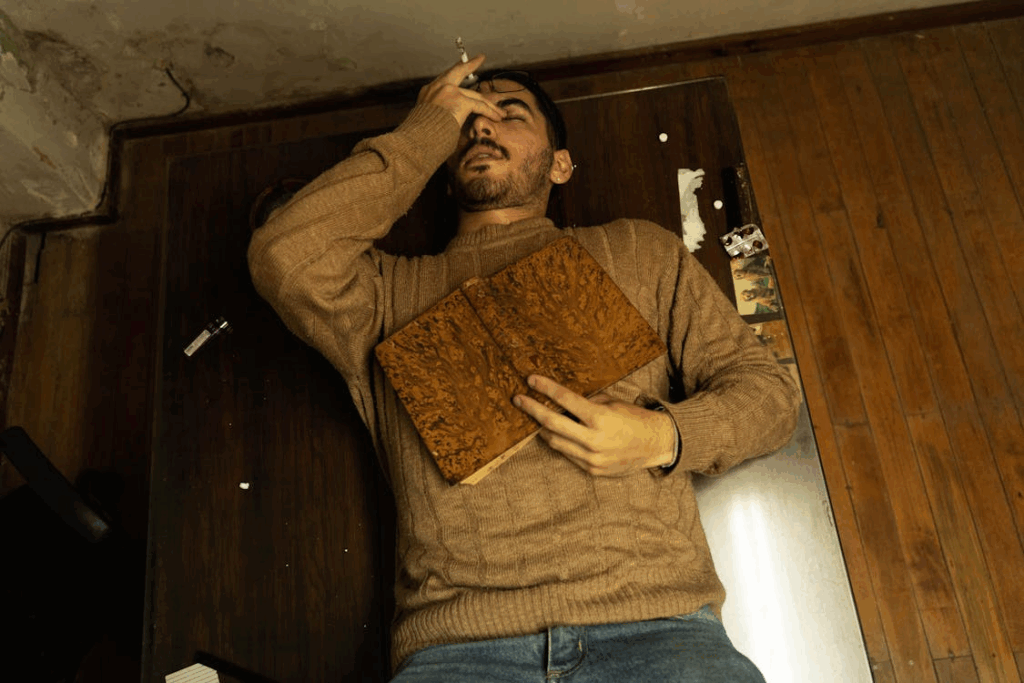
Most people already know that smoking is “bad for you,” but what often gets overlooked is just how many parts of the body it affects—and how deeply it interferes with everyday health, rehab, and performance. Beyond the well-known risks of cardiovascular disease, cancer, and chronic respiratory disease (the world’s three leading causes of death), smoking has wide-reaching effects on the body’s ability to move, heal, and thrive.
Let’s break it down.
Why smoking makes life harder on your body
For your body to perform at its best—whether that’s exercising, recovering from an injury, or just getting through the day—your heart, lungs, and muscles need oxygen-rich blood.
When you inhale cigarette smoke, harmful chemicals like carbon monoxide attach to red blood cells. This blocks oxygen delivery to tissues. Less oxygen means:
- More fatigue in daily activities
- Lower exercise capacity
- Slower healing and recovery
- Higher risk of severe disease

Cardiovascular effects
Smokers typically have a higher resting heart rate because their heart has to work harder to pump oxygen-poor blood. This puts enormous strain on the system and raises the risk of strokes, heart attacks, and blood clots.
Smoking can also:
- Narrow and harden blood vessels (atherosclerosis)
- Lower oxygen levels in the blood
- Contribute to coronary heart disease (fatty deposits in the arteries)
Respiratory effects
Because smoke is inhaled, the lungs take the biggest hit. Tar coats the lungs like soot in a chimney, reducing their elasticity and compliance. Over time:
- The immune cells in your airways are damaged, making infections more likely
- Irritation leads to chronic cough and further tissue damage
- Your body’s ability to use oxygen (VO₂ max) drops sharply—especially as you age
This is why smokers often feel out of breath with even small amounts of exertion.
Musculoskeletal effects
Smoking doesn’t just affect the heart and lungs—it also weakens bones and muscles.
- Bone health: Smokers absorb less calcium, making bones weaker and more prone to fractures and osteoporosis.
- Muscle health: Reduced exercise tolerance means less muscle growth, leading to sarcopenia (muscle wasting) and faster age-related decline.
- This vicious cycle makes it harder to stay active, build strength, or recover from injury.
Quitting: How to make change possible
We know quitting isn’t easy. For many people, smoking is a coping strategy for stress, routine, or comfort, not just a nicotine addiction. That’s why simply saying “just quit” doesn’t work.
Health professionals often use the Ask, Advise, Help (AAH) model—an approach that’s sensitive, empathetic, and practical.

Ask:
- Reflect on why smoking is part of your life.
- How often do you smoke, and in what situations?
- What do you actually want for your health and your future?
Advise:
- Talk to your health professional about your health goals.
- Understand how smoking stands in the way of those goals.
- The more times you hear supportive advice to quit, the more likely you are to succeed.
Help:
- Reach out to support services like the NSW Quitline or apps like MyQuitBuddy.
- Replace the instant dopamine hit of smoking with healthier habits—chewing gum, snacking on nuts, or going for a walk.
- Set measurable goals and reward yourself for hitting milestones.
- Build new stress outlets: exercise, socialising, listening to music, or even just breathing techniques.
Final thoughts
Smoking touches every part of your body—your heart, lungs, bones, and muscles. It steals your energy, slows your recovery, and puts your long-term health at risk. But the story doesn’t have to end there.
With the right support, practical strategies, and a focus on your personal goals, quitting is absolutely possible. Every smoke-free day is a win for your health, your future, and your freedom.


Written by Jonathan Lee (Physiotherapist)