When your body hurts, every part of life feels heavier. Tasks you once took for granted become effort. Hobbies, work, social time — they all shrink. Physiotherapy offers more than relief: it can restore movement, reduce pain, prevent decline, and ultimately save both individuals and the health system a lot of time, stress—and money.
Below is a deeper look at how physiotherapy adds value, illustrated with Australian data and real-life style stories.
What Exactly Is Physiotherapy?
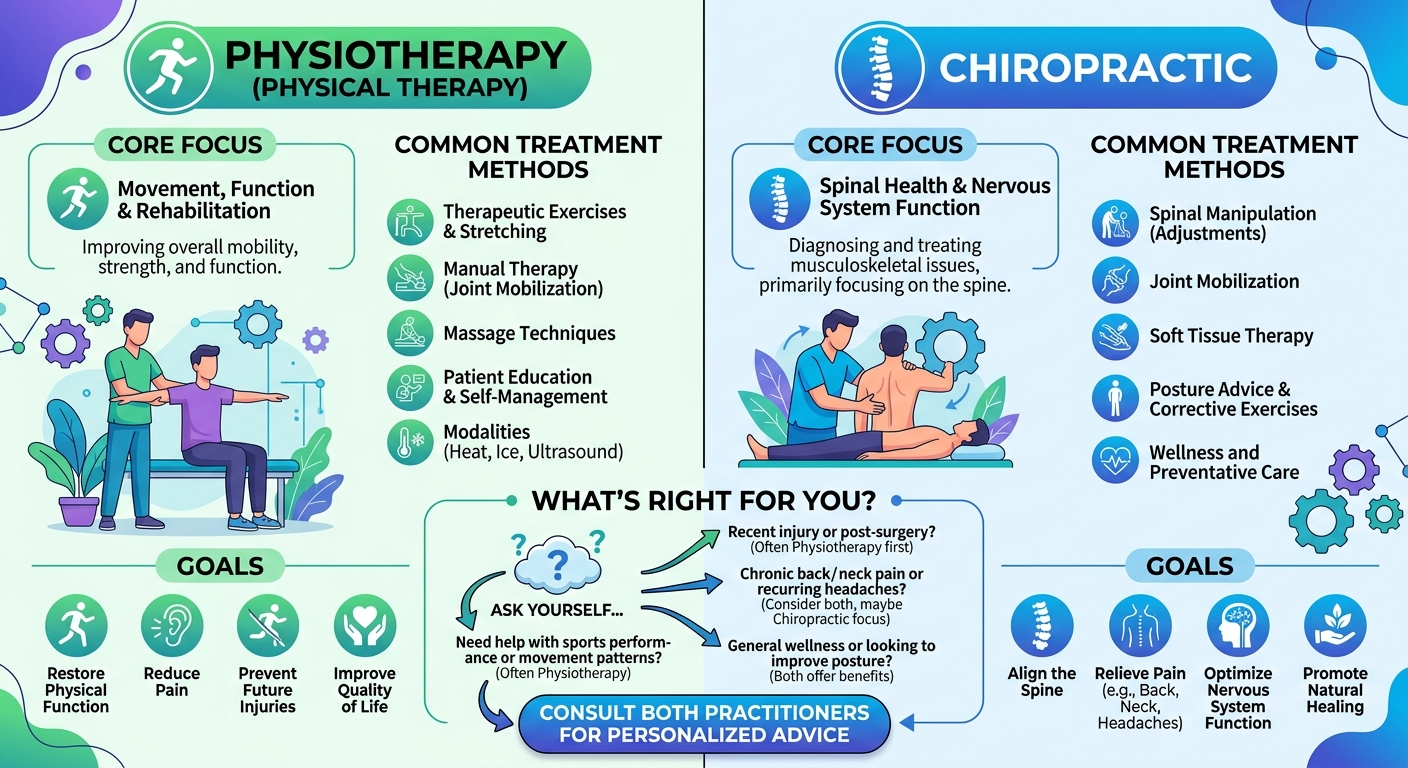
Physiotherapy is a health profession focused on understanding, diagnosing, treating, and preventing physical impairments, pain, and movement disorders. Physiotherapists help people of all ages:
- Restore movement after injury, surgery or illness
- Manage chronic conditions (e.g., arthritis, respiratory issues)
- Prevent injury (e.g., falls, sports injuries)
- Maintain function, mobility and independence in daily life
Physio is more than just reactive care—it’s also proactive & preventative—helping people avoid deterioration, reduce secondary problems, and keep doing what they love.
Why Physiotherapy Matters: Quality of Life First
Good health is priceless. Physiotherapy often improves life in ways that are deeply personal. Physiotherapy can be beneficial for many patients in different stages of life or experiencing different life events; ranging from easing the burden of disabilities in children, to recovering from sports or workplace injuries and through to ensuring a healthy retirement.
Here are some typical benefits we aim for with the people we work with:
- Reduced pain so you can move more freely and sleep better
- Improved mobility: walking, climbing stairs, standing longer
- Better balance and strength, which helps avoid falls
- Greater independence — reduce reliance on others for daily tasks
- Improved mental health: anxiety and depression often follow persistent pain; regaining movement boosts mood, confidence, self-worth
Real-life Examples: Avoiding Falls in Older Age
Meet “Margaret”, age 72. Margaret has noticed her balance is not what it used to be. She’s had two minor falls in the past year. She fears going for walks alone. Her physiotherapist assesses her, prescribes strength and balance exercises, gives advice on home safety (like removing tripping hazards, improving lighting), and follows up regularly.
Outcome: Over the next year, Margaret has no falls. She retains her confidence. She doesn’t require ambulance transport or hospital admission, avoids fracture risk, and continues gardening and social activities.
Why this matters in numbers:
- Falls are leading causes of injury-related hospitalisation among older Australians. Over 2022-23, there were about 548,654 injury-related hospitalisations in Australia; more than 43% of these were due to falls. Aged Care Insite
- The Australian Physiotherapy Association (APA) estimates that falls cost the healthcare system more than $5 billion annually. Australian Physio
- Physiotherapy-led falls prevention interventions can reduce these burdens — by preventing hospitalisations, by keeping older people independent longer, and avoiding the downstream costs of managing falls (surgery, rehabilitation, extended care).
Real‐life Example 2: Managing Osteoarthritis to Reduce Surgery Need
“Sam”, age 55, works in a job that involves lifting, walking, bending. He begins to develop knee pain from osteoarthritis. Without intervention, pain increases, leading to reduced mobility and possible need for knee replacement surgery down the track.
A physiotherapist works with Sam: exercise to strengthen supporting muscles, advice about weight management, movement modifications, pacing, possibly manual therapy. Over months, pain reduces, mobility improves, and Sam delays or avoids surgery (or at least has better pre- and post-surgery recovery if surgery becomes necessary).
Why this matters in the cost arena:
- According to the Value of Physiotherapy in Australia report (Nous Group, 2020), the average net-benefit of treating osteoarthritis of the knee and hip with physiotherapy is estimated to be $3,772 per episode of care.
- Physiotherapy is shown to be a cost-effective alternative or complement to more expensive interventions such as surgery for osteoarthritis. Australian Physio+1
Economic Value: How Physiotherapy Reduces Costs
Beyond personal stories, data support that physiotherapy yields both health and economic returns:
- Net benefit exceeding cost: In the 2020 Nous Report, across a range of common physiotherapy interventions (11 conditions), improvements in patient quality of life typically outweighed the costs of delivering those interventions. Australian Physio+1
- Avoided downstream costs: When physiotherapy helps prevent hospitalisations (e.g., via falls prevention, or by treating injuries early), the savings to the healthcare system are substantial. Australian Physio+3Australian Physio+3Australian Physio+3
- Burden of injury from physical activity: The Australian Institute of Health and Welfare (AIHW) reported that injuries (including those from sport and physical activity) cost about AUD $1.2 billion in direct treatment costs (hospital, primary care, referred services). AIHW Physiotherapy interventions can reduce both incidence and severity of such injuries.
- Falls cost over $5 billion annually: As above, the health system cost of falls in Australia is more than $5 billion per year. Proper physiotherapy (through prevention and therapy) can reduce that burden. Australian Physio+1
Intangible But Invaluable: Health Is Wealth
Some benefits aren’t captured by dollar figures, but matter enormously.
- Being able to walk without limping, dance at a wedding, pick up grandchildren, or go for a swim.
- Freedom from constant pain, less dependence on pain medications (with their side effects).
- Mental well-being: chronic pain and mobility loss often contribute to depression, anxiety or social isolation. Regaining movement often restores more than physical freedom.
- Confidence and independence, especially for older adults.
These are things you feel every day. They don’t show up neatly in statistics, but they are what make life meaningful.
What Needs to Be Done (and Why It’s Urgent)
To fully harness the benefits of physiotherapy, here are some practical priorities:
- Earlier intervention
If people access physiotherapy early—when pain or mobility issues first show up—the chances of avoiding escalation (worsening pain, surgery, long recoveries) are much higher. - Preventive physio programs
Programs for falls prevention, for workers at risk of musculoskeletal injury, for people with chronic conditions. These programs often save far more than they cost. - Educating the public
Increasing awareness of how physiotherapy can help before things get bad—knowing that physio isn’t just for when you’ve had surgery or a major injury, but also for everyday aches, posture, aging gracefully.
Final Thoughts
Physiotherapy is not just about “fixing injuries” or “getting people back to normal.” It’s about helping people live better. It has a dual power: improving quality of life now, and preventing greater suffering and cost later.
When the pain is lighter, the movement freer, the confidence higher—that’s value that lasts. When people can stay independent, avoid hospital stays, bypass surgery or reduce reliance on medication, society wins too.
If there’s one thing to take away: investing in physiotherapy isn’t a luxury. It’s a smart, cost-effective path toward a healthier, more resilient population. Because health truly is wealth.